
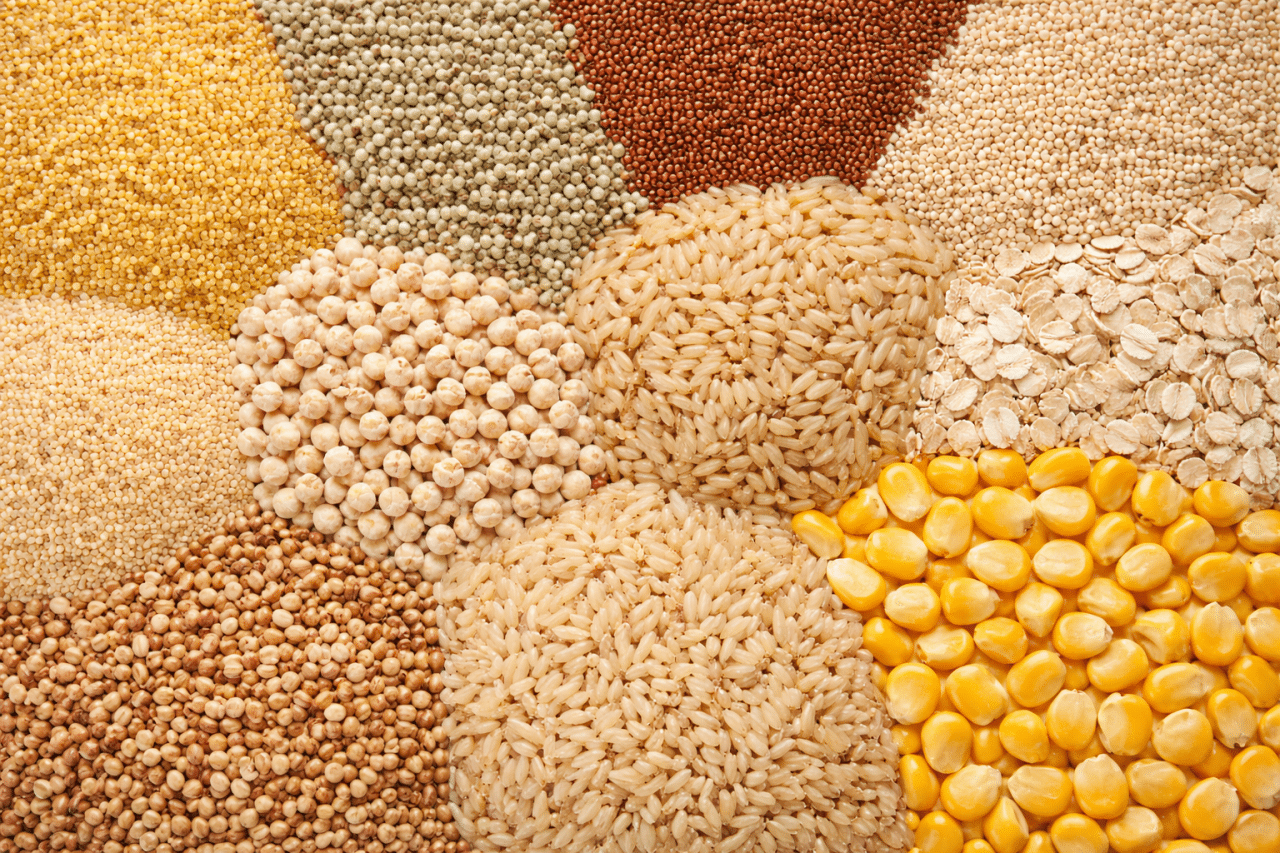
Food is not just fuel for the body — it shapes our energy, mood, and long-term health.
In today’s fast-paced lifestyle, the need for nutrient-rich and natural foods has become more important than ever. This is exactly where healthy grains play a vital role.
Years ago, traditional Indian diets were built around wholesome grains.
These grains provided natural strength, immunity, and balance to everyday life.
But modern diets have shifted toward processed foods — high in sugar, low in fibre, and lacking nutrition.
The result: fatigue, weight gain, diabetes, digestive problems, and chronic lifestyle disorders.
To break this cycle, people are returning to nature.
And the most powerful change begins with choosing healthy grains that nourish the body from within.
Healthy grains offer:
- Long-lasting energy
- Better digestion
- Controlled blood sugar
- High fibre and minerals
- Improved immunity
Recognizing this, Atchyapathra Foods in Madurai has been consistently promoting traditional, wholesome meals by naturally integrating various nutrient-rich grains into their daily food offerings. Their focus on “home-style nutrition” has made healthy eating both accessible and enjoyable for local families.
In this blog, we will explore:
- The 9 most powerful healthy grains
- Their nutritional benefits
- Why they deserve a place in your daily diet
- How you can easily include them in everyday meals
This isn’t just another health article —
it’s a complete guide to choosing better foods for a stronger, healthier lifestyle.
Table of Contents
What Are the 9 Healthy Grains?

India has always been home to some of the most nutritious and powerful grains in the world.
While modern diets often highlight processed foods, the truth is that traditional grains carry far more health benefits, energy, and natural goodness.
The collection we call 9 healthy grains represents the finest combination of ancient nutrition and modern wellness.
These grains are rich in:
- Fibre for digestion
- Protein for muscle strength
- Iron, calcium, and essential minerals
- Slow-digesting carbohydrates
- Natural antioxidants
1. Millet Varieties (Foxtail, Kambu, Ragi)
Known for high fibre, bone strength, and diabetic-friendly properties.
2. Quinoa
A complete protein source popular among fitness and health enthusiasts.
3. Oats
Excellent for heart health and weight management.
4. Barley
Cooling, detoxifying, and easy to digest.
5. Brown Rice
A cleaner, fibre-rich upgrade to regular white rice.
6. Buckwheat
Gluten-free, mineral-rich, and beneficial for blood sugar control.
7. Sorghum (Cholam)
Great for immunity, digestion, and bone health.
8. Amaranth (Rajgira)
Packed with essential amino acids and highly absorbable protein.
9. Corn
A versatile grain rich in vitamins that supports eye and brain health.
Together, these grains form a powerful foundation for a healthier lifestyle.
Instead of relying on refined food, choosing these natural grains leads to stronger energy, better immunity, and long-term wellness—benefits that modern science now strongly supports.
Grain 1: Millets (Thinai, Kambu, Ragi) – The Ancient Energy Grain
Millets are among India’s oldest cultivated grains. Long before rice and wheat dominated our plates, millets were the primary source of strength for kings, warriors, farmers, and families across generations. Today, they are celebrated globally as one of the most powerful healthy grains ever discovered.

Millets include several varieties such as:
- Foxtail Millet (Thinai)
- Pearl Millet (Kambu)
- Finger Millet (Ragi)
Each one carries unique nutritional advantages, making millets an essential part of a balanced modern diet.
Key Nutrients in Millets
Millets are rich in:
- Dietary fibre
- Iron
- Calcium
- Magnesium
- Plant-based protein
- Natural antioxidants
These qualities make millets one of the most complete foods for all age groups.
Health Benefits of Millets
1. Supports Strong Bones and Growth
Ragi is an excellent natural source of calcium, helping children, teenagers, and older adults maintain strong bones.
2. Diabetic-Friendly and Low Glycemic Index
Foxtail millet helps control blood sugar spikes, making it one of the most recommended healthy grains for diabetic individuals.
3. Improves Digestion and Gut Health
The high fibre content in Kambu and other millets promotes smooth digestion, prevents constipation, and supports gut health.
4. Boosts Iron Levels
Millets are especially beneficial for women and children needing improved iron levels, helping prevent fatigue and weakness.
5. Sustained Energy for Long Hours
Millets release energy slowly, making them perfect for workers, students, and athletes who need long-lasting strength without heavy meals.
How Atchyapathra foods Uses Millets in Daily Meals
In Madurai, many families trust Atchyapathra foods for wholesome, home-style meals. Their menu often includes millet-based dishes that combine traditional taste with modern nutrition—making healthy eating convenient and enjoyable.
How to Include Millets in Your Daily Diet
You can easily add millets into daily meals through:
- Millet dosa or idli
- Millet upma
- Millet pongal
- Ragi porridge for kids
- Millet chapati or roti
- Millet rice as a replacement for white rice
By making small changes like swapping rice with millets just twice a week, you can significantly improve your overall health.
Grain 2: Quinoa (The High-Protein Super Grain)
Quinoa may feel like a “new” ingredient in Indian homes, but it is one of the oldest cultivated grains in the world. Originating from the Andean regions of South America, quinoa has become globally popular for one key reason — it is one of the few healthy grains that contains all nine essential amino acids, making it a complete protein.
This makes quinoa especially valuable for vegetarians, fitness enthusiasts, and anyone looking for a high-energy, nutrient-dense diet.

Nutritional Profile of Quinoa
Quinoa is rich in:
- High-quality protein
- Fibre
- Iron
- Magnesium
- Potassium
- Antioxidants
- Vitamin B-complex
Because of this power-packed nutrition, quinoa is often called a “super grain”.
Health Benefits of Quinoa
1. Supports Muscle Strength and Repair
Being a complete protein, quinoa helps repair tissues, build muscles, and increase strength — an advantage many other grains do not offer.
2. Excellent for Weight Management
The fibre in quinoa keeps the stomach full for long periods, reducing unnecessary snacking. This unique ability makes it one of the most effective healthy grains for weight control.
3. Controls Blood Sugar
The low glycemic index of quinoa makes it suitable for diabetic individuals and those who want steady, stable energy throughout the day.
4. Gluten-Free & Easy to Digest
Quinoa is naturally gluten-free, gentle on the stomach, and perfect for people with digestion issues.
5. Boosts Immunity
Its mineral-rich composition strengthens the immune system and increases the body’s ability to fight fatigue and illness.
How Atchyapathra foods Includes Quinoa in Meals
As more people seek healthy modern foods, Atchyapathra foods has introduced quinoa into a variety of meal options—combining Indian flavours with this global super grain. Their innovative approach makes quinoa accessible, tasty, and easy to enjoy.
How You Can Add Quinoa to Daily Diet
Quinoa can blend beautifully with Indian cuisine. You can try:
- Quinoa upma
- Quinoa salad
- Quinoa khichdi
- Quinoa pulao
- Quinoa lemon rice
- Quinoa bowl with vegetables
Even small weekly portions can greatly improve overall nutrition.
Grain 3: Oats (The Heart-Healthy Comfort Grain)
Oats have become one of the most popular breakfast choices around the world — and for good reason.
They are among the few healthy grains that combine comfort, taste, and powerful health benefits in one simple bowl. Whether eaten as porridge, upma, dosa, or used in bakes, oats provide steady energy and long-lasting fullness.
In India, oats have slowly become a part of modern diets not only because they are easy to cook, but because they support better lifestyle habits.

Nutritional Value of Oats
Oats contain:
- Soluble fibre (beta-glucan)
- Protein
- Iron
- Zinc
- Magnesium
- Antioxidants
- Vitamin B1
This nutrient combination gives oats their signature “heart-protecting” quality.
Health Benefits of Oats
1. Good for Heart Health
Oats help reduce bad cholesterol and improve heart function.
This is why they are ranked among the most trusted healthy grains for long-term wellness.
2. Excellent for Weight Management
Oats keep the stomach full for hours, reduce hunger spikes, and prevent sugar cravings — ideal for those trying to lose or maintain weight.
3. Supports Smooth Digestion
The fibre in oats improves gut health, prevents constipation, and supports overall digestive comfort.
4. Stabilizes Blood Sugar
The slow-release carbs in oats help maintain stable energy levels, making them suitable for diabetic individuals.
5. Boosts Immunity
Oats naturally contain antioxidants that strengthen immunity and protect the body against illnesses.
How Atchyapathra foods Uses Oats in Their Meals
Understanding the rising demand for healthy grains food habits, Atchyapathra foods often includes oats-based dishes in their wellness-focused meal options. This makes it easier for families to enjoy nutritious food without giving up taste.
How to Add Oats to Daily Meals
There are many simple ways to include oats in everyday eating:
- Oats porridge
- Oats upma
- Oats dosa
- Oats idli
- Oats chilla
- Oats vegetable soup
- Oats laddoo (healthy snack)
A small bowl a day can steadily improve health and digestion.
Grain 4: Barley (The Cooling & Detoxifying Grain)
Barley is one of the oldest cultivated grains known to humankind.
Historically used by ancient Egyptians, Greeks, and Romans, barley has always been valued for its cooling, healing, and strength-building properties.
Among the healthy grains of today, barley stands out because of its ability to cleanse the body from within and support long-term wellness.
Barley is especially popular among people looking for natural detox, improved digestion, and better hydration.

Nutritional Profile of Barley
Barley contains:
- High fibre (soluble & insoluble)
- Selenium
- Magnesium
- Iron
- B-complex vitamins
- Antioxidants
- Natural minerals that cool the body
These nutrients make barley a gentle yet powerful grain suitable for daily consumption.
Health Benefits of Barley
1. Natural Detox & Body Cooling
Barley is one of the best healthy grains for flushing out toxins.
It helps regulate body heat, making it ideal during summer, fevers, or digestion-related discomfort.
2. Supports Digestion
The rich fibre content enhances gut movement, prevents constipation, and supports microbiome health.
3. Controls Blood Sugar Levels
Barley’s low glycemic index helps maintain stable blood sugar, beneficial for diabetic and pre-diabetic individuals.
4. Enhances Heart Health
Barley lowers bad cholesterol and supports healthy blood pressure levels.
5. Boosts Hydration & Energy
Traditional barley water is known to replenish fluids, improve stamina, and maintain electrolyte balance.
How Atchyapathra foods Uses Barley
To promote healthy grains eating practices in Madurai, Atchyapathra foods incorporates barley into soups, porridge, and wellness-based meal combinations. Their focus on natural, home-style nutrition makes barley an easy part of daily diets for many local families.
How to Include Barley in Daily Meals
Barley can be consumed in many delicious forms:
- Barley water (best cooling drink)
- Barley vegetable soup
- Barley kanji (traditional porridge)
- Barley upma
- Barley salad bowls
- Barley rice (instead of white rice)
Even two or three barley meals a week can significantly improve overall digestion and energy levels.
Grain 5: Brown Rice (The High-Fibre Whole Grain)
Brown rice is often called the “smart alternative” to regular white rice.

Nutritional Highlights of Brown Rice
Brown rice contains:
- Fibre-rich bran
- Vitamin B1, B3, B6
- Magnesium
- Manganese
- Phosphorus
- Plant-based antioxidants
- Slow-digesting natural carbohydrates
These nutrients make it a complete and wholesome grain suitable for all age groups.
Health Benefits of Brown Rice
1. Supports Weight Management
Because brown rice digests slowly, it keeps you full for longer.
This makes it one of the most effective healthy grains for those trying to maintain or lose weight naturally.
2. Improves Digestion
The high fibre content strengthens gut health, prevents constipation, and supports smoother digestion.
3. Controls Blood Sugar Levels
Brown rice has a lower glycemic index than white rice, helping regulate sugar spikes — especially beneficial for diabetic individuals.
4. Boosts Heart Health
Its antioxidant profile reduces inflammation, supports heart function, and maintains good cholesterol levels.
5. Provides Long-Lasting Energy
Unlike processed grains, brown rice releases energy slowly, maintaining stable stamina for students, workers, and athletes.
How Atchyapathra foods Uses Brown Rice
With an increasing demand for healthy grains eating habits in Madurai, Atchyapathra foods prepares brown rice dishes that bring together traditional flavours and modern nutrition. Their home-style cooking approach ensures brown rice meals taste familiar, comforting, and naturally wholesome.
How to Add Brown Rice to Your Daily Diet
Switching to brown rice is simpler than most people think. You can try:
- Brown rice sambar sadham
- Brown rice lemon rice
- Brown rice curd rice
- Brown rice veg pulao
- Brown rice khichdi
- Brown rice stir-fried bowls
- Half-white, half-brown rice mix for slow transition
Even replacing white rice with brown rice two or three times a week can make a noticeable difference in energy, digestion, and overall health.
Grain 6: Buckwheat (The Gluten-Free Power Grain)
Despite its name, buckwheat is not related to wheat at all.
It is a completely gluten-free seed that is treated like a healthy grains — making it one of the most valuable healthy grains for modern diets.
Rich in minerals, antioxidants, and plant-based protein, buckwheat is an excellent option for people with gluten intolerance, digestion issues, or lifestyle disorders.
In India, buckwheat is known as kuttu, commonly used during fasting seasons. Today, it has gained popularity among fitness enthusiasts and families looking for more natural, high-nutrition alternatives.

Nutritional Value of Buckwheat
Buckwheat provides:
- High-quality plant protein
- Iron
- Magnesium
- Manganese
- Zinc
- Strong antioxidants (rutin)
- Fibre
Its nutrient density makes it one of the most powerful natural foods we can include in our daily diet.
Health Benefits of Buckwheat
1. Supports Heart and Blood Vessel Health
Buckwheat contains rutin, an antioxidant known to strengthen blood vessels and improve blood flow.
This makes it one of the most heart-friendly healthy grains available.
2. Diabetic-Friendly & Stabilizes Blood Sugar
Despite being energy-rich, buckwheat helps regulate glucose levels and is recommended for diabetic individuals.
3. Boosts Digestion & Reduces Acidity
Its fibre content supports gut movement and prevents acidity, bloating, and heaviness after meals.
4. Strong Plant-Based Protein Source
Buckwheat provides essential amino acids often missing in vegetarian diets, supporting muscle repair and immunity.
5. Naturally Gluten-Free
It is gentle on the stomach and ideal for people with gluten sensitivity, IBS, or digestive disorders.
How Atchyapathra foods Includes Buckwheat
To support customers who prefer gentle and nutritious meals, Atchyapathra foods has experimented with buckwheat in pancakes, roti mixes, porridge, and energy bowls. Their home-style cooking ensures even this global grain feels familiar and comforting.
How to Include Buckwheat in Your Daily Diet
You can add buckwheat in simple and delicious ways:
- Buckwheat dosa
- Buckwheat porridge
- Buckwheat chapati or roti
- Buckwheat salad with vegetables
- Buckwheat upma
- Buckwheat idli
- Buckwheat khichdi
Replacing just one meal a week with a buckwheat dish can significantly boost nutrient intake.
Grain 7: Sorghum / Cholam (The Traditional Strength Grain)
Sorghum, known in Tamil Nadu as Cholam, is one of India’s strongest traditional grains.
For decades, rural families relied on cholam-based foods for daily strength, stamina, and immunity. Today, nutrition experts consider sorghum one of the most important healthy grains because of its ability to provide protein, fibre, and minerals in a natural, easily digestible form.
Cholam has slowly made its way back into modern diets as people rediscover its long-lasting health benefits and classic taste.

Nutritional Profile of Sorghum (Cholam)
Sorghum is rich in:
- Dietary fibre
- Iron
- Phosphorus
- Potassium
- Plant protein
- Antioxidants
- B-complex vitamins
This nutrient combination supports complete wellness for children, adults, and elders.
Health Benefits of Sorghum
1. Improves Digestion & Gut Health
Cholam’s natural fibre strengthens digestion, prevents constipation, and keeps the gut active — making it one of the most effective healthy grains for digestive wellness.
2. Boosts Immunity
Sorghum is rich in antioxidants that protect the body from infections, fatigue, and seasonal illnesses.
3. Supports Bone & Muscle Strength
The high mineral content, especially phosphorus and magnesium, supports strong bones and steady muscle growth.
4. Controls Blood Sugar Levels
Sorghum digests slowly and stabilizes energy, making it suitable for diabetic individuals.
5. Enhances Heart Health
Regular consumption of cholam helps reduce inflammation, control cholesterol, and support a healthy heart.
How Atchyapathra foods Uses Sorghum
Understanding the rich heritage of cholam, Atchyapathra foods includes sorghum in traditional dishes such as rotis, dosas, steamed porridge, and wellness meal combinations. Their home-style preparation ensures that this classic healthy grains remains both nutritious and tasty.
How to Add Sorghum to Daily Meals
Sorghum blends beautifully with everyday Indian recipes.
You can include it as:
- Cholam dosa
- Cholam roti
- Cholam idiyappam
- Sorghum porridge (kanji)
- Cholam upma
- Mixed-grain chapati using cholam flour
- Cholam vegetable khichdi
Adding cholam just twice a week can improve digestion, strength, and overall stamina naturally.
Grain 8: Amaranth / Rajgira (The Ancient Power Protein Grain)
Amaranth, also known as Rajgira, is one of the oldest grains used in Indian traditional diets.
Highly valued for its strength-giving properties, amaranth has been a part of temple offerings, festival meals, and ancient Ayurveda food charts.
Today, health experts consider it one of the most powerful healthy grains because of its rich protein content and easy digestibility.
Unlike many grains, amaranth contains a unique combination of minerals and amino acids that support complete nourishment.

Nutritional Profile of Amaranth
Amaranth is rich in:
- High-quality protein
- Calcium
- Iron
- Magnesium
- Potassium
- Vitamin A & C
- Dietary fibre
- Lysine (an essential amino acid not found in most grains)
This makes it a unique and superior grain for daily nutritional needs.
Health Benefits of Amaranth
1. Supports Bone Strength and Growth
With its naturally high calcium levels, amaranth helps children, women, and elders maintain strong bones.
2. A Complete Plant Protein
Amaranth is one of the few healthy grains with complete protein, making it perfect for vegetarians and fitness-focused individuals.
3. Helps Improve Digestion
Its fibre content boosts gut health, clears toxins, and maintains regular bowel movement.
4. Supports Immunity & Energy
The combination of vitamins and minerals improves stamina, strengthens immunity, and reduces fatigue.
5. Naturally Gluten-Free
It is light on the stomach and ideal for people with gluten sensitivity or acidity-related issues.
How Atchyapathra foods Uses Amaranth
To help customers enjoy traditional health foods in modern ways, Atchyapathra foods often includes amaranth in porridges, laddoos, roti mixes, and wholesome meal plans. Their recipes combine authentic taste with pure, natural nutrition.
How to Include Amaranth in Your Daily Diet
Amaranth can be included in many attractive and nutritious dishes:
- Rajgira porridge
- Rajgira roti
- Amaranth dosa
- Amaranth kheer
- Rajgira laddoo
- Amaranth vegetable upma
- Mixed-grain idli using amaranth
Even two servings a week can significantly increase calcium and protein intake.
Grain 9: Corn (The Fibre-Rich, Vitamin-Packed Grain)
Corn is one of the most versatile and loved grains across the world.
From steamed corn cups to makka roti and sweet corn soups, this bright yellow grain has always held a special place in Indian homes.
Among the healthy grains, corn stands out for its sweetness, digestibility, and naturally rich vitamin profile.
Unlike processed snacks, corn provides real energy, essential nutrients, and gut-friendly fibre that supports everyday well-being.

Nutritional Profile of Corn
Corn contains:
- Fibre
- Vitamin A
- Vitamin B6
- Vitamin C
- Potassium
- Magnesium
- Natural antioxidants (lutein & zeaxanthin)
- Healthy carbohydrates
This unique blend makes corn both delicious and nourishing.
Health Benefits of Corn
1. Supports Eye & Vision Health
Corn is rich in lutein and zeaxanthin, two antioxidants known to improve eyesight and protect the eyes from screen-related strain.
2. Excellent for Digestion
As one of the most fibre-rich healthy grains, corn regulates digestion, prevents constipation, and supports overall gut balance.
3. Boosts Immunity
The vitamins in corn strengthen the immune system and help the body fight infections.
4. Provides Natural Energy
Corn delivers steady, natural energy without causing heaviness — perfect for school children, office workers, and athletes.
5. Heart-Friendly Grain
Its antioxidants reduce inflammation, support heart function, and protect against cholesterol build-up.
How Atchyapathra foods Uses Corn
To bring wholesome nutrition into everyday meals, Atchyapathra foods includes corn in salads, steamed bowls, pulao varieties, soups, and millet-corn combinations. Their fresh, home-style approach makes corn enjoyable for both children and adults.
How to Add Corn to Everyday Diet
Corn can be used in countless healthy and tasty dishes:
- Steamed sweet corn
- Corn soup
- Corn pulao
- Makka roti
- Corn salad
- Corn sundal
- Corn idli or dosa batter mixes
- Corn cutlets (light version)
Adding corn a few times a week ensures fibre, energy, and vitamins stay balanced in your diet.
Why These 9 Healthy Grains Are Essential Today (Modern Lifestyle Benefits)
Modern lifestyles are faster, busier, and more demanding than ever before.
Long work hours, irregular eating habits, processed foods, and high stress levels have made fatigue, acidity, weight gain, and lifestyle diseases increasingly common.
This is exactly why the return to nature through healthy grains has become a powerful movement across India.
-
Better Digestion for Busy Lifestyles
Modern diets lack fibre.
Most people rely on polished rice, refined flour, and sugary snacks.
Healthy grains restore digestive strength by supporting smoother bowel movements and maintaining gut balance.
-
Long-Lasting Energy Without Fatigue
Unlike fast-burning carbs, these grains release energy slowly.
This prevents mid-day tiredness, sugar crashes, and overeating.
Students, professionals, and athletes benefit the most from this natural stamina.
-
Natural Weight Management
Healthy grains keep you full for long hours, reduce hunger cravings, and help avoid junk food.
They are recommended by nutritionists for weight loss and long-term weight balance.
-
Support for Diabetes and Blood Sugar Control
Low glycemic index grains such as millets, quinoa, barley, and brown rice are essential for maintaining stable sugar levels.
They help prevent sudden glucose spikes and support better metabolic function.
-
Better Heart Health & Reduced Cholesterol
These grains are rich in antioxidants, fibre, and healthy minerals that naturally support heart function and reduce harmful cholesterol.
-
Strong Immunity & Better Nutrient Absorption
Healthy grains contain vitamins, iron, zinc, and essential minerals that strengthen the immune system.
They help the body absorb nutrients more efficiently and boost overall vitality.
-
Natural Protein for Vegetarians
Grains like quinoa, amaranth, and buckwheat provide high-quality plant protein — beneficial for vegetarians, children, and elders.
-
Gluten-Free Options for Sensitive Individuals
Modern digestive issues are often caused by excessive wheat consumption.
These 9 grains include multiple gluten-free choices that are gentle and easy to digest.
-
Sustainability & Traditional Indian Wisdom
Healthy grains promote soil health, require less water, and support local farming — aligning with India’s traditional agricultural wisdom.
Families today are rediscovering these natural foods not just for health, but for sustainable living.
How to Include These 9 Healthy Grains in Daily Meals (Practical Tips & Ideas)
Switching to healthier eating doesn’t require big sacrifices.
With simple changes and smart meal planning, you can easily enjoy the benefits of healthy grains every day.
These grains are versatile, delicious, and can blend seamlessly with traditional South Indian meals — making them perfect for families of all age groups.
Brands like Atchyapathra foods have already adopted this approach by incorporating wholesome grains into daily menus, inspiring many households to make nutritious choices effortlessly.
Here are practical ways to bring all 9 healthy grains into your regular diet:
-
Replace White Rice Twice a Week
Start with small changes:
- Use brown rice for sambar rice or lemon rice
- Try millet rice instead of white rice for lunch
- Make a mixed-grain rice blend
These simple swaps increase fibre and reduce sugar spikes.
-
Use Millets for Breakfast Dishes
Millets work beautifully in:
- Idli
- Dosa
- Pongal
- Upma
They offer slow-release energy and help you stay full for longer.
-
Add Oats to Everyday Cooking
You can incorporate oats without changing the taste of your meals:
- Oats dosa
- Oats porridge
- Add oats powder to chapati dough
- Oats cutlets (healthy snack for kids)
-
Make Quinoa & Amaranth Part of Lunch
These protein-rich healthy grains can be used to prepare:
- Quinoa pulao
- Quinoa salad
- Amaranth khichdi
- Amaranth roti
Perfect for office-goers and fitness-focused individuals.
-
Include Sorghum and Buckwheat for Rotis
Replace wheat rotis twice a week with:
- Cholam roti (sorghum)
- Buckwheat roti
- Multi-grain chapati (mixing all flours)
These flours support better digestion and long-lasting energy.
Conclusion: The Future Belongs to Healthy Grains
The journey through these 9 powerful grains shows one clear truth — nature has already given us everything we need for energy, immunity, strength, and long-lasting wellness.
As modern life becomes faster and more stressful, the demand for pure, natural, and nourishing foods continues to grow. This is why healthy grains are not just a trend — they are the future of balanced eating.
Families across India are rediscovering traditional grains that were once a part of everyday meals. These foods support digestion, control blood sugar, protect the heart, improve stamina, and strengthen the body from within. With the right awareness, even a small shift from refined foods to natural grains can transform daily health.
Food brands like Atchyapathra foods are helping households embrace this change by bringing these wholesome ingredients into accessible, flavorful, home-style dishes. Their effort shows that healthy eating does not require expensive ingredients — just the right choices.
The time has come to make healthier decisions for ourselves and our families.
Choosing healthy grains is one of the simplest, most effective steps toward a stronger, happier, and more energetic life.
Healthy food is not just a habit — it is a long-term investment in wellness.